
An Actor’s Guide on How to Overcome Performance Anxiety
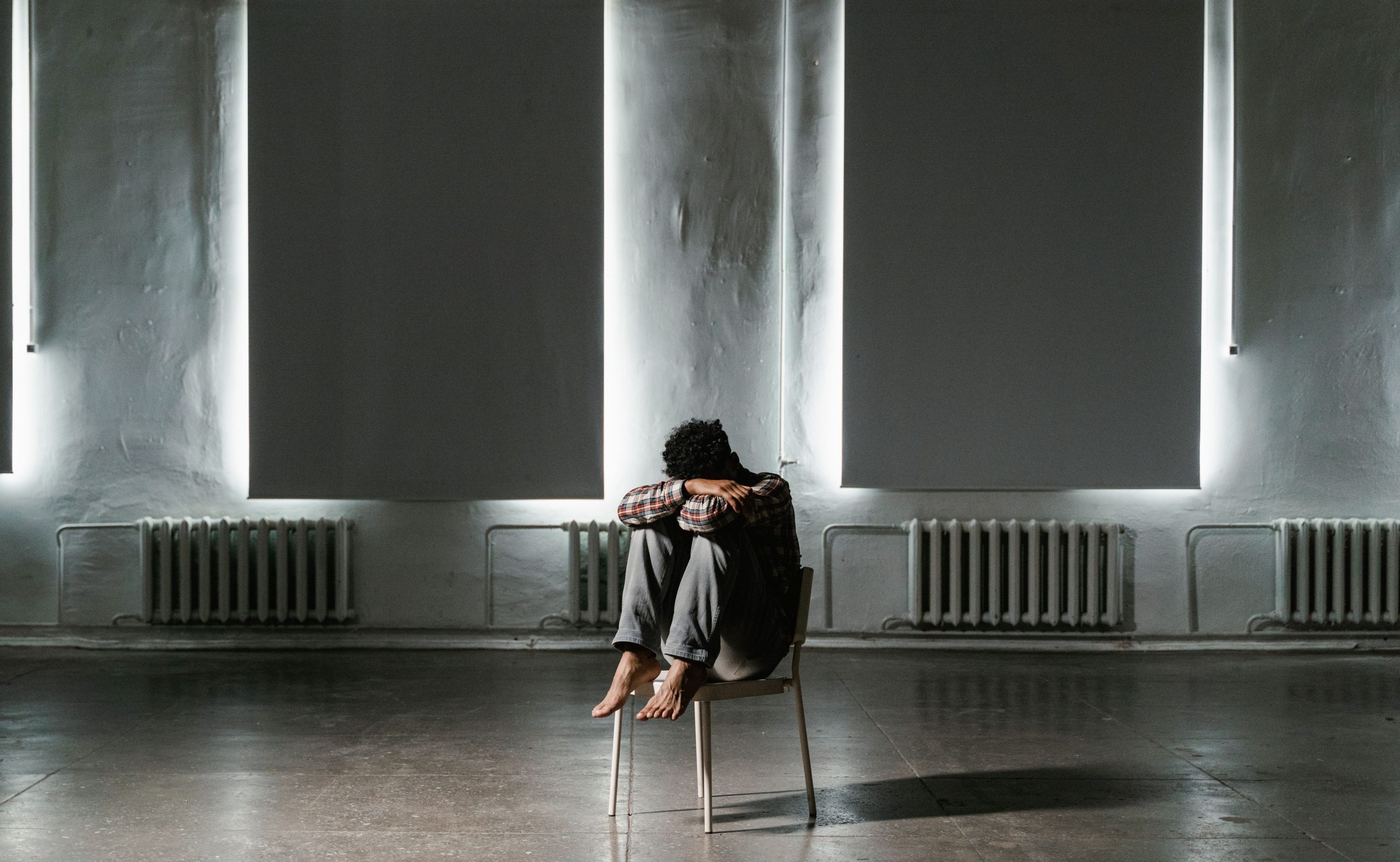
Performance anxiety is common in acting. Auditions put you under pressure to impress, live performances leave little room to stop and start again, and rejection is part of the job. Even when you know your lines and feel prepared, the pressure of being watched can make you freeze or second-guess your choices.
The signs aren’t always obvious. You might notice a racing heart, dry mouth, muscle tension, or changes in your breathing. You might also overthink how you’re coming across, worry about forgetting your lines, or struggle to respond naturally to your scene partner. Instead of focusing on the scene, you start monitoring yourself.
That shift in attention matters. Acting relies on listening, reacting, and making clear choices in the moment. When you’re busy wondering whether you look nervous or whether your performance is convincing, it becomes harder to stay present. While stage fright can affect actors at any experience level, audition anxiety also brings its own pressures.
Performance anxiety often involves fear of failure, negative evaluation, and the physical stress response that comes with feeling under threat. Avoiding auditions or trying to perfect every detail can offer temporary relief, but may reinforce the anxiety over time.
In this comprehensive guide, we’ll look at what causes performance anxiety on stage, how it affects actors, and practical ways to manage it – including when to seek professional support.
Key takeaways:
- Performance anxiety is a common response to pressure.
- Understand what triggers your anxiety.
- Bring your attention back to the work.
- Practice working under pressure.
- You don’t need to eliminate anxiety to perform well.
What Is Performance Anxiety?
Performance anxiety is a fear-based stress response that happens when a person anticipates performing, being watched, or being judged. The anxiety can show up not only on stage, but also in auditions, self-tapes, rehearsals, live performances, sports, public speaking, interviews, and on-set work.
In other words, it is not limited to one setting; it is tied to situations where a person feels their abilities are being evaluated. At its core, performance anxiety is usually driven by fear of failure, fear of negative evaluation, or pressure to meet high expectations.
It can affect anyone: actors, musicians, athletes, students, and professionals, and it does not mean a person lacks talent or skill. In many cases, the person is highly prepared and still feels intense anxiety because the situation feels high stakes.
Stage Performance Anxiety vs. Stage Fright
Stage fright is one form of performance anxiety, but the two aren’t quite the same. Stage fright usually refers to nerves around performing in front of an audience. Anxiety in performance is broader and can affect actors in auditions, on set, or even during rehearsal.
Feeling nervous doesn’t automatically mean something is wrong, but it becomes a concern when the anxiety is intense or persistent enough to affect your performance or make you avoid opportunities.
Stage fright is one common form of performance anxiety, especially in live settings. However, performance anxiety is a broader term that includes any situation where someone feels exposed to judgment or pressure to perform well. For actors, that may mean a callback, self-tape, rehearsal, table read, or filming day, not just stepping onto a stage.
It is also important to distinguish performance anxiety from normal nerves. Feeling a little nervous before an important moment is common and can even be helpful, since some anxiety can sharpen focus and readiness.
What makes performance anxiety more concerning is not just the presence of nerves, but whether those nerves become intense, persistent, or disruptive. Ordinary nervousness is not automatically a mental health disorder.
What Happens in the Body During Performance Anxiety?
Performance anxiety activates the body’s fight-or-flight response. This is the nervous system’s built-in alarm system, designed to protect us from danger. So, sometimes, the brain can treat a non-physical threat (like possible embarrassment or failure) as if it were a real threat.
When that happens, the body can respond with symptoms such as:
- racing heart or pulse
- rapid breathing or shortness of breath
- dry mouth or a tight throat
- trembling hands, knees, lips, or voice
- sweating or cold hands
- nausea or stomach discomfort
- dizziness, freezing, or vision changes
- muscle tension and a sense of panic
These reactions are caused by stress chemicals such as adrenaline and are not a sign that something is “wrong” with the person. They are a normal biological response to perceived danger.
The difficulty is that once these symptoms appear, they can become part of the anxiety cycle. If someone notices their heart pounding or their voice shaking and interprets that as proof they are about to fail, the fear often increases.
Then, a loop forms: fear triggers symptoms, and symptoms then seem to confirm the fear. This is one reason performance anxiety can feel so overwhelming in the moment.
When Do Performance Nerves Become a Problem?
Performance nerves become a concern when they go beyond temporary, manageable stress and start interfering with a person’s life or work. A useful way to think about it is by asking:
- How intense is it?
- How often does it happen?
- How much distress does it cause?
- Does it affect daily functioning, preparation, or opportunities?
Performance anxiety may be a problem when it leads to avoidance of auditions, performances, interviews, or other important situations. It can also become an issue if a person overprepares, procrastinates, freezes, loses sleep, or uses unhealthy coping strategies to get through events. In more severe cases, the fear can start shaping major life choices and limit career growth.
So, the key question is not whether someone ever feels nervous. Rather, whether the anxiety is proportionate, temporary, and manageable or instead persistent, distressing, and disruptive.
Why Do Actors Experience Performance Anxiety?
Actors deal with constant rejections, the competitive nature of the industry, and frequent criticism, all of which can intensify insecurity and self-criticism – which makes acting a uniquely high-pressure environment.
Fear of Judgment and Rejection
For actors, the sources of evaluation can be everywhere: casting directors, directors, teachers, fellow actors, and even audiences. Performance anxiety is described as the stress that comes from being in front of others with “all eyes on you,” which can feel threatening and trigger fight-or-flight reactions.
In acting, auditions can feel especially intense because a yes-or-no decision may seem to carry meaning about talent, value, and future success. When selection feels tied to personal worth, rejection can feel much bigger than a single job outcome.
Perfectionism and the Pressure to Get Everything Right
Actors often worry about forgetting lines, missing a cue, or not delivering the “right” emotional response. This can be especially stressful because performance anxiety is already linked to self-doubt and fear of failure.
When an actor holds unrealistically high standards, even small mistakes can feel disastrous. Negative feedback can disproportionately affect self-perception because of the brain’s negativity bias, where one criticism can outweigh many positives.
The same bias can make ordinary imperfections feel catastrophic during a performance.
Uncertainty and Lack of Control
Acting involves a great deal of uncertainty. Actors cannot control casting decisions, audience reactions, or every note they receive from a director. Uncertainty, fear of failure, and fear of judgment can feed a cycle of anxiety and avoidance.
When actors do not know what evaluators want, they may overthink, second-guess themselves, and try to predict reactions instead of staying present in the scene.
Previous Negative Experiences
Past experiences can strongly shape future anxiety. Stage fright can develop or intensify later in an acting career through sensitization after a traumatic moment, where once-neutral cues become triggers.
Likewise, fear of judgment and criticism can be carried forward from earlier experiences. A bad audition, harsh critique, or embarrassing freeze can make the next opportunity feel more threatening, even though one difficult experience does not determine future outcomes.
Self-Monitoring and Fear of Looking Nervous
Actors may become overly focused on themselves instead of the scene. Thoughts like “Am I convincing?” or “Can they see me shaking?” can pull attention inward and make it harder to stay spontaneous.
As mentioned, performance anxiety is a bodily fight-or-flight response that can create symptoms like rapid breathing and a racing pulse. When actors then monitor those symptoms too closely, it can interfere with listening, reacting naturally, and fully connecting with the moment.
What Are the Symptoms of Performance Anxiety in Actors?
Performance anxiety symptoms can show up in the body, mind, emotions, and behavior. Being the center of attention can trigger the body’s fight-or-flight response, which can make performance feel physically and mentally overwhelming.
Performance anxiety often includes physical symptoms, anxious thoughts, and fear of judgment or failure.
Physical Symptoms
Actors may notice a racing heart, rapid breathing, sweating, shaking, or trembling before or during a performance. Other common symptoms include dry mouth, a tight throat, increased heart rate, and muscle tension.
Some actors also experience nausea, stomach discomfort, or a frozen, stiff feeling in the body when anxiety gets intense. These physical reactions can directly affect performance by making it harder to speak clearly or move naturally.
Mental and Cognitive Symptoms
Performance anxiety can also affect thinking. Actors may experience racing thoughts, or the opposite: a blank mind when they need to remember lines or respond in the moment.
Fear of failure can trigger negative self-talk and make it harder to concentrate, which can lead to catastrophic predictions like “I’m going to ruin this audition” or “Everyone will know I’m not good enough.” Some actors become stuck constantly evaluating their own choices, which pulls attention away from the scene and increases self-criticism.
Emotional Symptoms
Emotionally, performance anxiety often shows up as dread before auditions or performances. Actors may feel intense fear of negative evaluation, shame, irritability, or a sense of being overwhelmed.
In severe cases, the emotional pressure can create a powerful urge to escape the room or avoid the situation altogether. These feelings can be exhausting and may build up over time if auditions or performances keep feeling threatening.
Behavioral Signs
Behavior changes are another common sign of performance anxiety. Actors may begin avoiding auditions or opportunities because they fear failure or judgment. Others may overprepare or procrastinate before performing in an attempt to reduce uncertainty.
Afterward, they may replay perceived mistakes over and over and focus only on what went wrong. Some people may also use alcohol or other substances to cope, which can create additional problems.
How Does Performance Anxiety Affect Acting?
Performance anxiety can interfere with acting by pulling attention away from the scene and toward the actor’s internal threat response. For actors, that can mean the nerves themselves are not the main problem… It’s when anxiety starts to dominate attention and disrupt the work.
Losing Spontaneity and Responsiveness
When an actor becomes overly self-aware, it can be harder to stay open to what is happening in the moment. Stage fright is an activated threat response that shows up before or during performance and can become chronic if not addressed. That state can make actors more likely to scan for threats, real or imagined, instead of staying available to the scene.
In practice, this can look like trying to control every movement, facial expression, or emotional beat, which can interfere with natural behavior and reduce spontaneity.
Struggling to Listen to Scene Partners
Anxiety often turns attention inward. Instead of listening closely to a scene partner, an actor may become absorbed in self-monitoring or fear about how they are being perceived.
The result is less room for genuine interaction, because acting depends on reacting to the other person in real time; anxiety can weaken one of the actor’s most useful tools like staying focused on what is actually happening in the scene.
Overcontrolling Emotional Choices
Performance anxiety can also make actors try to force a feeling or judge whether it looks convincing enough. Rather than allowing emotion to emerge naturally from the circumstances, they may become preoccupied with performing the scene “correctly.”
This kind of overcontrol can work against emotional truth.
In other words, authenticity in acting comes from engaging with the material and the moment, not from manufacturing a specific feeling on command.
Freezing, Forgetting Lines, or Rushing
Since performance anxiety activates the body’s stress response, it can affect concentration and memory. Some actors also rush through a performance in an attempt to escape discomfort more quickly but rushing can make it even harder to listen and stay present.
The key takeaway is that nerves alone are not the issue. Performance anxiety becomes a problem when it starts to overwhelm attention and interfere with the actor’s ability to do the work.
Different Types of Performance Anxiety Actors Experience
Performance anxiety can show up in different ways depending on the setting. The common thread is not just fear, but the pressure of being evaluated while still needing to stay present.
Performance anxiety can happen in creative performances like acting and is often tied to fear of judgment and failure.
Audition Anxiety
Auditions can be especially intense because they combine quick judgment with uncertainty. Actors may fear rejection, worry about making the wrong first impression, or compare themselves to other people in the room.
Since auditions often involve immediate adjustments, anxiety can make redirection feel threatening instead of useful.
In ACT for Actors – Performance Anxiety Therapy NYC, an actor describes feeling pressure to manage thoughts and emotions during auditions, while learning that being emotionally transparent and responsive matters more than trying to “fake” confidence.
Self-Tape Anxiety
Self-tapes can create a different kind of pressure because actors may repeat the same scene many times, which can feed perfectionism.
Instead of focusing on the work, they may become overly aware of facial expressions, voice, and whether they look “camera-ready.” This can make it hard to decide when a take is good enough, especially when there is no live feedback from a director or casting team.
Live Theatre and Stage Fright
Live performance adds the pressure of a real-time audience. Self-Confidence for Actors describes stage fright as an activated threat response during performance, as being the center of attention can feel stressful and trigger fight-or-flight symptoms.
In theater, that may show up as fear of forgetting lines, making a visible mistake, or not recovering smoothly if something unexpected happens onstage.
Film and Television Set Anxiety
On set, actors may feel watched not only by the director but by the whole crew. The challenge is often maintaining continuity across repeated takes while still adjusting to direction and staying responsive.
Even when the scene is technically controlled, the pressure to stay consistent can make actors second-guess choices or become self-conscious about how they are being perceived.
Drama School, Classes, and Rehearsals
Performance anxiety can also appear in training environments. Being observed by teachers and peers, receiving criticism, or trying unfamiliar techniques can all trigger self-doubt.
Actors may also compare their progress with classmates, which can increase pressure and make experimentation feel risky. In these settings, anxiety can interfere with learning by shifting attention from process to judgment.
Need Tools to Manage Performance Anxiety?
By understanding what triggers your anxiety and learning practical techniques to manage self-doubt, you can approach auditions and performances with greater confidence and focus.
If you’d like to explore psychology-based techniques for managing nerves, sign up for my free newsletter. You’ll receive practical insights to help you feel more confident in your acting work.
How to Break the Cycle of Performance Anxiety
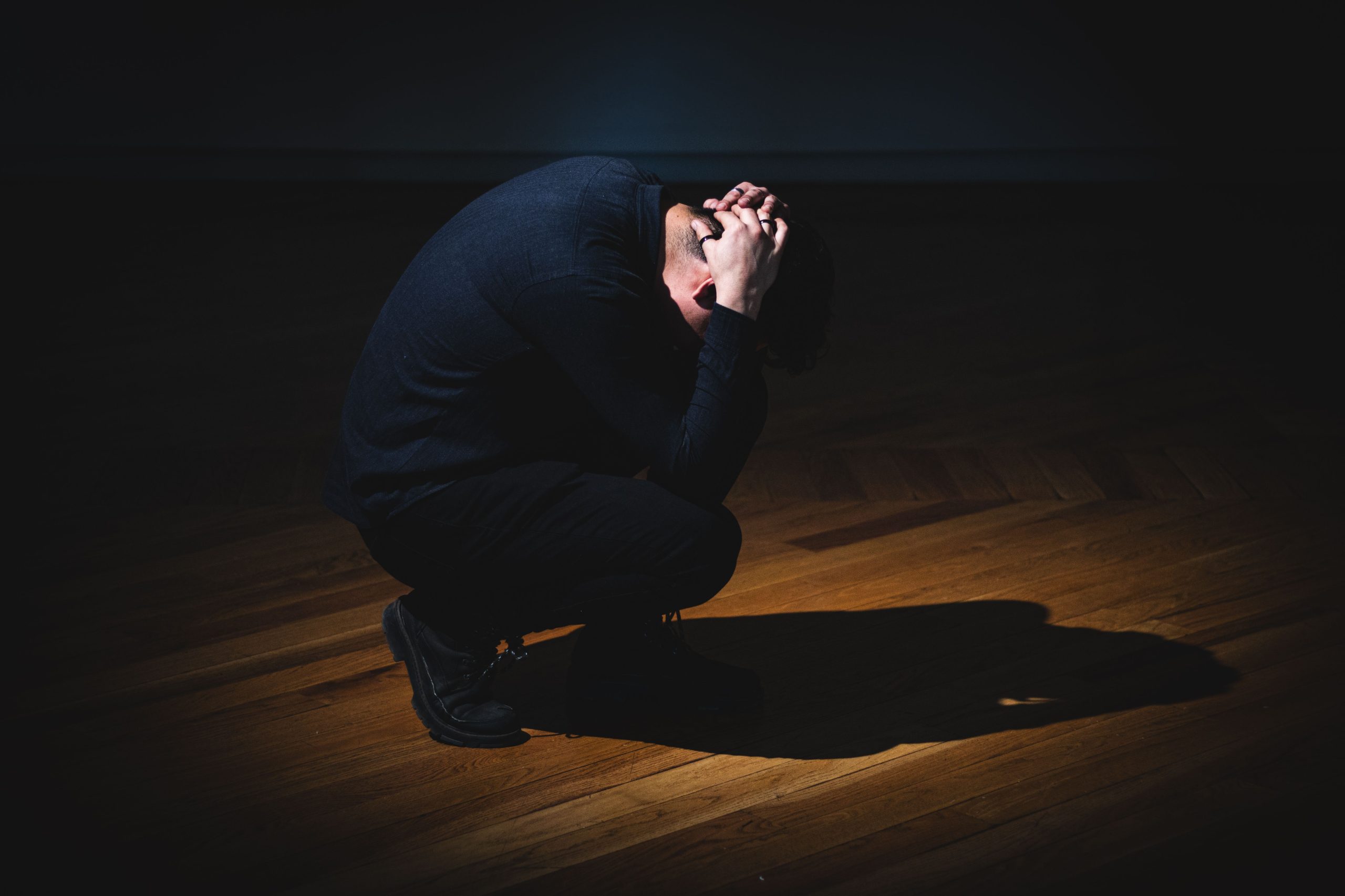
Performance anxiety often follows a self-reinforcing loop: you anticipate judgment, which creates anxiety; the anxiety then produces physical symptoms and worried thoughts that feel like proof something will go wrong; and in response, you may overprepare, avoid opportunities, or monitor every move.
Those behaviors can bring short-term relief, but they also teach your brain that performing is dangerous. Breaking the cycle means interrupting it at several points, not just “trying to calm down” right before the performance.
Step 1: Identify Your Specific Triggers
Start by narrowing down what actually sets off the anxiety. Is it fear of rejection, of making mistakes, of uncertainty, of being watched, or of receiving negative feedback? Performance anxiety can be driven by different triggers in different contexts, and understanding your own pattern helps you respond more precisely.
It’s also tied to situations where people feel pressure to perform well in front of others, and identifying the trigger is part of developing effective coping strategies. Notice when the anxiety begins and which situations or thoughts make it worse.
Step 2: Separate Preparation from Perfectionism
Preparation helps; perfectionism usually feeds the cycle. Learn the material, understand the scene’s circumstances, and clarify your objectives and stakes. Then set a reasonable, repeatable preparation routine instead of rehearsing endlessly to eliminate all uncertainty.
The goal is not to eliminate every possible mistake, but to feel equipped enough to perform. Overcoming performance anxiety often involves challenging catastrophic thoughts and practicing the task rather than avoiding it.
Step 3: Practice Under Realistic Conditions
One of the most effective ways to get over performance anxiety is to make the situation feel more familiar. Use mock auditions, timed runs, observed rehearsals, or one-take self-tapes so you can practice under conditions that resemble the real event.
Breaking the challenge into smaller steps and building up gradually instead of jumping straight into the most stressful version is also another strategy actors can utilize – that kind of repetition helps the body learn that performance pressure is uncomfortable, but manageable.
Step 4: Regulate Physical Tension
Physical regulation can make it easier to stay functional in the moment. Try paced breathing, grounding, gentle movement, and familiar vocal warm-ups – these techniques may reduce tension, but they do not need to erase anxiety completely to be useful.
Step 5: Redirect Attention Toward the Work
Anxiety grows when attention turns inward to self-monitoring. Shift focus to the scene partner, the character’s objective, and what is happening right now.
Instead of asking, “How am I doing?” ask, “What does my character want in this moment?” The change in attention turns performance into a task, not a verdict.
Step 6: Allow Anxiety Without Treating It as a Prediction
Feeling nervous is not the same as predicting failure. Notice anxious thoughts without automatically accepting them as facts. A racing heart or a critical thought may be uncomfortable, but neither proves the performance will go badly.
This is a key part of how to break the cycle of performance anxiety: separate the feeling from the forecast.
Step 7: Review and Repeat
Afterward, reflect on what helps with performance anxiety, what distracted you, and what to practice next time. Treat each performance as information, not a final test of your ability. Repetition builds confidence because you learn from the experience instead of escaping it.
Over time, that is one of the most reliable ways of learning how to get over performance anxiety.
Practical Ways to Manage Performance Anxiety Before and During a Performance
The most useful tips for overcoming performance anxiety are the ones you can use in the moment, before nerves spiral into avoidance or overcontrol. The goal is not to eliminate every nervous feeling, but to stay functional and focused while it is happening.
Below are practical tools for how to deal with performance anxiety before and during the performance itself.
Before an Audition or Performance
Prepare the material thoroughly, but keep the focus on what you can control.
Clarify the scene objective, so your attention is anchored in doing the work rather than in being judged. Identifying the triggers that activate stress is part of building effective coping strategies, and breaking the anxiety cycle involves both practical coping strategies and changes in how you approach the situation.
A realistic definition of success should be based on controllable actions such as being prepared, entering with focus, and recovering quickly if something goes off track.
Set a cutoff point for preparation so you do not slip into endless checking, rereading, or second-guessing. Build confidence through repeated practice and daily relaxation habits rather than trying to force perfection right before you perform.
A consistent pre-performance routine can help signal to your body that it is time to work: warm up, review key cues, move your body lightly, and settle into a repeatable sequence you know well. Arriving early enough to settle in can help, but avoid arriving so early that you spend too long waiting and worrying.
Use Breathing and Grounding Techniques
If anxiety rises physically, use simple grounding tools to steady yourself. Slow, comfortable breathing can help. Since stage fright is a real physical stress response, with symptoms like racing pulse and rapid breathing, it makes sense to use techniques that reduce that surge.
If deep breathing makes you lightheaded or uncomfortable, do not force it. Choose a gentler rhythm that feels manageable.
Grounding can also bring your attention back to the present moment. Feel your feet on the floor, notice the chair or the surface under you, and identify a few things you can see or hear. Release unnecessary tension in the jaw, shoulders, and hands. These small adjustments help reduce the extra effort anxiety adds to the body and can make it easier to stay ready for the task.
Reframe Nervousness Without Forcing Positivity
Nervousness does not automatically mean you are unprepared. Performance situations naturally trigger stress, and many people feel anxious before performing. Try replacing “I must not feel nervous” with “I can feel nervous and still do the scene” – that shift is more realistic than forced positivity and often more useful than trying to talk yourself into feeling calm.
Use strategies such as reframing negative self-talk and challenging your fear of failure. Use compassionate self-talk that reflects the reality of the moment: “I’ve prepared,” “I only need to do the next step,” or “I can recover if I make a mistake.”
Focus on the Scene Instead of Yourself
Self-monitoring tends to intensify anxiety. A better strategy is to put attention on the scene and the other person in front of you. Identify what your character wants, listen closely to what your scene partner is doing, and respond to what is actually happening rather than checking whether you look convincing.
Connecting with the audience and focusing on friendly faces reflects the same principle: move attention outward instead of inward.
When self-consciousness returns, give your attention a specific job. For example, listen for your partner’s last word, track the emotional turn in the scene, or focus on the next actionable cue.
What to Do If You Freeze or Forget a Line
If you blank, pause briefly instead of rushing to cover the mistake. Reconnect with the immediate situation, the other performer, and the established structure of the audition or production. A short pause is usually less noticeable than panic.
You can also train recovery in rehearsal. Practice small mistakes on purpose so you learn that errors are survivable and fixable. That kind of rehearsal makes the performance feel less fragile and gives you a reliable way to recover if something unexpected happens.
Build a Personal Pre-Performance Checklist
A short checklist can make your routine more consistent and less dependent on how anxious you feel on any given day. Include:
- Material prepared
- Objective cleared
- Warm-up completed
- Breathing or grounding used
- Attention directed outward
- Realistic success goal set
Used consistently, this kind of checklist can help you manage performance anxiety.
Why Trying to Eliminate Anxiety Entirely Can Backfire
Trying to figure out how to get rid of performance anxiety, like every anxious thought or sensation, can create a second problem: now you are also judging yourself for being anxious. That can turn “calm down” into another standard you feel you have to meet, which often increases pressure rather than reducing it.
You Do Not Have to Feel Calm to Perform Well
In performance situations, checking constantly for signs of calm can become its own form of self-monitoring, pulling attention away from the work and back onto how you feel.
A more useful goal is to manage the effect of anxiety on performance, not promise total elimination. Performance anxiety is common, and people can still perform effectively while feeling nervous or physically activated.
In other words, anxiety does not have to disappear before you can do the scene well.
How Acceptance and Commitment Therapy Can Help
Acceptance and Commitment Therapy, or ACT, combines value-driven behavior, acceptance of emotions, and gaining distance from thoughts. In simple terms, ACT helps you notice anxious thoughts without automatically believing or obeying them.
The “distance” from thoughts is sometimes called cognitive diffusion: instead of treating “I’m going to fail” as a fact, you learn to experience it as just a thought.
ACT also emphasizes taking meaningful action while anxiety is present rather than waiting to feel perfectly calm first. ACT also helps people accept anxious thoughts without letting them control behavior. For an actor, that might mean noticing the nerves, continuing with the scene, and staying focused on the objective.
It’s not about ignoring serious symptoms or pretending anxiety does not exist; rather, about reducing the control anxiety has over your choices so you can keep performing with more flexibility and less avoidance.
Treatment Options for Persistent Performance Anxiety
Self-help strategies can be useful, but professional support may be needed when anxiety keeps interfering with work, training, or daily life.
When Should an Actor Seek Professional Help?
If symptoms such as panic attacks or intense fear continue despite your efforts, it is a good idea to consult a mental health professional. Performance anxiety can affect sleep, grades, relationships, work, and willingness to try new things, and that avoidance is a sign the problem may be growing stronger.
Warning signs that you may need help include repeated avoidance of auditions, rehearsals, or performances; symptoms that feel severe or escalating; or coping that depends heavily on alcohol or other substances.
In those cases, a clinician can help you understand what is driving the anxiety and build a more structured plan for performance anxiety disorder treatment.
Cognitive Behavioral Therapy (CBT)
Cognitive Behavioral Therapy, or CBT, is one of the main evidence-based approaches for performance anxiety. Therapists use CBT to identify triggers, challenge negative self-talk, and develop coping skills tailored to the person.
CBT can also help replace unhelpful thoughts with more realistic and useful responses, while gradually facing feared situations instead of avoiding them.
For actors, that may mean testing predictions like “I’ll blank out” or “The scene will fall apart,” then practicing new responses in a supported way. CBT can also target fear-maintaining behaviors, such as overchecking, overpreparing, or avoiding opportunities, which can keep anxiety going over time.
Acceptance and Commitment Therapy (ACT)
As previously mentioned, ACT can help actors respond differently to anxious thoughts and physical discomfort while still moving toward meaningful goals. Rather than trying to eliminate every anxious feeling, ACT focuses on acceptance, diffusion from thoughts, and values-based action.
In practice, an actor may notice fear or self-doubt, but continue with the audition or scene because the performance matters more than the anxiety.
Exposure-Based Approaches and Performer-Specific Support
Exposure-based approaches and performer-specific support build confidence step-by-step with manageable practice situations. This can be especially helpful for performers because it teaches the brain that pressure is uncomfortable, but not dangerous.
Some therapists also work specifically with performing artists. A clinician can assess whether broader concerns, such as social anxiety or panic symptoms, are part of the picture.
What About Medication?
Medication may be appropriate for some people, depending on symptoms and clinical circumstances. Medication, including beta-blockers in some cases, can reduce physical symptoms like trembling or a racing heart.
Medication should be discussed with a qualified healthcare professional rather than self-medicating or using someone else’s prescription. There is no single answer to curing performance anxiety, but the right combination of treatment and support can make a substantial difference.
What to Do After a Bad Audition or Performance
A disappointing audition or performance can trigger a harsh post-performance anxiety loop. A more constructive approach can protect your self-confidence and help you see the setback in perspective.
Separate the Outcome from Your Identity
One unsuccessful audition does not define your talent or your future potential. Remember that you are unique and that a single outcome should not undermine your confidence.
Casting decisions are also influenced by many factors beyond your control, including fit, timing, and what the production team is looking for, so rejection is not a reliable verdict on your ability.
Review the Experience Without Rumination
It helps to let the emotional intensity settle before you evaluate what happened.
Instead of replaying the whole audition in a loop, identify one or two specific lessons you can actually use next time. Criticism can be filtered through negativity bias, so it is useful to focus on what was objectively said or observed rather than guessing what the casting team “really thought”.
Try to distinguish:
- Facts: What was said, what you did, what happened
- Assumptions: “They hated me,” “I blew it,” or “I’ll never book anything”
Create a Short Post-Performance Reflection
A brief reflection can turn disappointment into useful feedback. You might ask:
- What went well?
- What did I learn?
- What would I practice differently next time?
- What was outside my control?
This kind of reflection supports growth without turning into self-criticism. Focus on preparation, confidence, and constructive improvement rather than sinking into self-doubt.
Return to the Next Opportunity
Try not to treat one rough experience as evidence that future performances will go badly. The first difficult experience often feels the worst, but it does not predict your career trajectory. Keep practicing and auditioning at a manageable pace, so you stay in motion instead of retreating from opportunities.
If rumination, shame, or avoidance start to persist, it may help to seek support so the cycle does not become self-reinforcing.
Put These Performance Anxiety Techniques into Practice
Build an approach that helps you manage nerves and stay focused on the work. You may not be able to control every anxious thought or physical response, but you can practice redirecting your attention to the scene and responding to what’s happening in the moment.
For more practical guidance, Self-Confidence for Actors explores psychology-based techniques to manage nerves, quiet your inner critic, and build confidence in auditions and performances.
FAQs About How to Overcome Performance Anxiety
Start by identifying what specifically triggers your anxiety, then focus on what is controllable: prepare well and redirect attention away from self-monitoring and back to the scene.
The goal is not to eliminate nerves, but to reduce how much they control your choices. Techniques from CBT, ACT, and exposure-based practice can also help if anxiety is persistent.
Use a simple pre-audition routine that helps your body settle and your attention stay focused. Slow breathing, grounding, gentle movement, and a familiar vocal or physical warm-up can all help.
It also helps to set a cut-off point for preparation so you do not spiral into overchecking or perfectionism. If nerves show up, remind yourself that feeling anxious does not mean you are unprepared.
Rehearsals usually feel safer because they are lower stakes and allow more room to experiment. Auditions add pressure, evaluation, and uncertainty, which can trigger the body’s fight-or-flight response. That can pull attention inward, making it harder to listen, respond, and stay spontaneous. Practicing under more realistic conditions can help bridge that gap.
Yes. When anxiety rises, it can affect concentration and working memory, which may lead to blanking or going on autopilot. The best response is usually to pause briefly, reconnect with the moment, and continue rather than panic. Practicing recovery in rehearsal can also make this easier.
Shaking is a common physical symptom of performance anxiety, not a sign that something is wrong with you. Use grounding, steady breathing, and muscle release to reduce extra tension. Try not to interpret the shaking as proof that you will fail, because that can intensify the cycle.
Not exactly. Performance anxiety is tied to specific situations where you feel evaluated, such as auditions, performances, or interviews. Social anxiety is broader and can affect many everyday interactions. They can overlap, and sometimes performance anxiety is part of a wider anxiety pattern.
There is no single instant cure, but performance anxiety is very treatable. Many actors improve through a combination of preparation, exposure, cognitive strategies, and therapy approaches like CBT or ACT. Some people also benefit from medication, depending on their symptoms and situation.
Seek help if anxiety is persistent, severe, or starts leading to avoidance, panic attacks, sleep problems, or reliance on substances to get through performances. If it is affecting your work, training, or daily life, a mental health professional can help you build a more structured treatment plan.